About the Great Dane
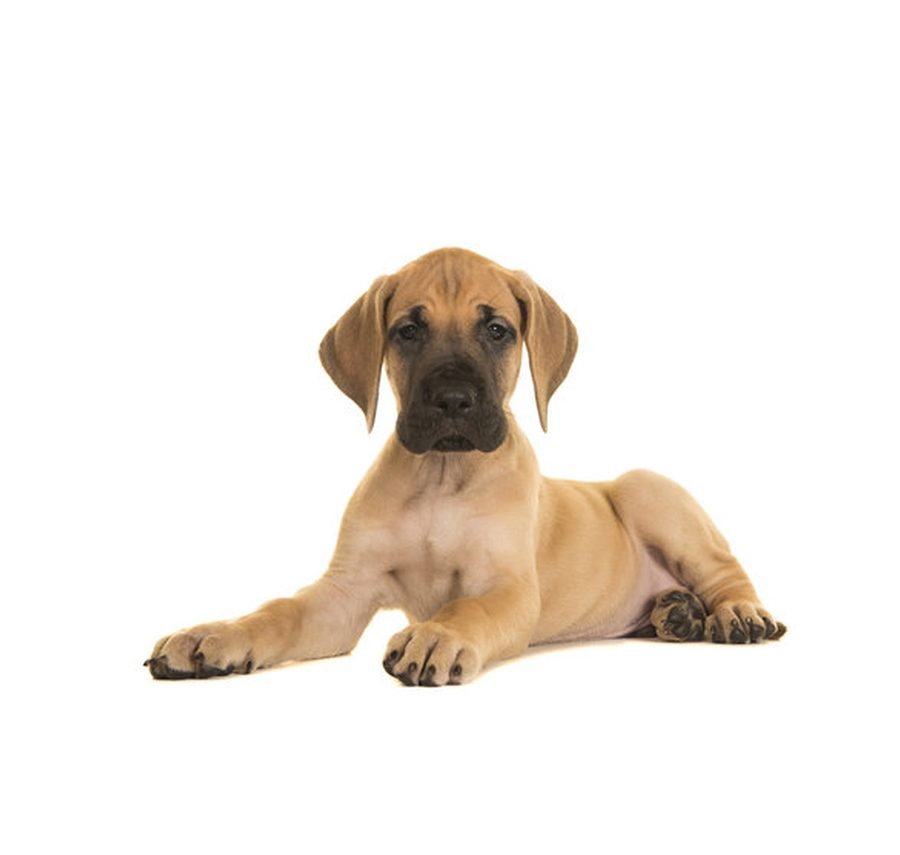
The Great Dane was developed in Germany, originally to hunt wild boar, and is now known as the "Apollo of dogs" for its size and elegance. Adults stand about 71 to 86 cm tall and weigh roughly 45 to 80 kg, with males bigger than females.
It comes in several colours including fawn, brindle, black, blue and harlequin. Despite its size, it is known for being calm and gentle.
Temperament: what living with one is like
Great Danes are friendly, gentle and affectionate, often called gentle giants. They are calm indoors, usually good with children and other pets, and love to be close to their family.
They are sensitive and do not like harsh training. Because of their size, even a friendly lean or jump can knock someone over, so training from puppyhood is essential. They do not like being left alone and need a lot of space.
Living with a Great Dane in Delhi NCR
The Great Dane has a shorter coat and copes with Delhi's weather better than heavily coated breeds, but it is still a dog living through 40°C summers. A few habits keep it comfortable:
- Shade, water and a cool room. Fresh water at all times, and a cool spot (AC or cooler) at the hottest hours.
- Walk in the cool hours. Early morning and late evening in summer, and check that the pavement is not too hot for paws.
- Never leave a dog in a parked car, even for a few minutes.
- Watch the monsoon. Keep the coat and ears dry and ask your vet about tick and flea control.
A Great Dane's short coat copes with Delhi better than a thick coat, but its huge body needs a cool room in summer. Walk in the cool hours, give a soft, large bed to protect joints and avoid hot pavements.
Flats and apartments: A Great Dane needs a lot of space to move and lie down, so a large home is much better than a small flat. Check your society's rules on dogs and lifts before you decide.
Grooming and shedding
The short coat is easy: a weekly brush with a rubber mitt, and a bath when needed. Danes shed moderately.
Clean ears, trim nails and brush teeth. Check elbows and joints for calluses from hard floors, and provide a thick orthopaedic bed.
Exercise and training
A Great Dane needs about an hour of gentle exercise a day: walks and play. Giant puppies grow very quickly and their joints are fragile, so avoid jumping, stairs, long runs and hard play until about two years of age.
Avoid vigorous exercise right before or after meals. Train early with rewards and teach manners, such as not jumping up, while the dog is still small.
Health: what to know before you choose
Every breed has conditions it is more prone to. For the Great Dane, it is better to know these early:
- Bloat (gastric torsion), a life-threatening emergency to which Great Danes are very prone.
- Dilated cardiomyopathy, a heart condition.
- Hip dysplasia and other joint problems.
- Wobbler syndrome, a neck spine condition.
- Bone cancer and a shorter life span than most breeds.
Ask about the puppy's parents and any health records that exist, and book a vet check soon after your puppy comes home. Keeping your dog at a healthy weight and having regular check-ups is the best thing you can do.
Feeding and puppy care
Giant breeds grow very fast and are more at risk of joint problems and bloat, so ask your vet about a large-breed puppy food, careful portion control and several smaller meals rather than one or two big ones. Avoid hard exercise right before or after meals, and never push a giant puppy to grow faster. Feed several smaller meals, and ask your vet about bloat prevention.
Your vet will set your puppy's vaccination and deworming schedule. Puppies usually start their vaccines at around six to eight weeks, with boosters a few weeks apart, so ask us which vaccines and dewormers have already been given and when the next ones are due. We will always tell you the puppy's real age and what it has been eating.
Great Dane puppy price in Delhi NCR
There is no single price for a Great Dane puppy, and be careful of anyone who quotes one without asking questions. What you pay depends on the puppy's age, lineage and records, colour, health checks and current availability. Prices can change from one litter to the next.
Remember the price of the puppy is only the start. A giant breed means a big budget for food, medication, vet bills, a large bed and space to move, and a shorter life than smaller dogs. A puppy priced far below what others ask is worth questioning: ask where it was born, how old it really is and what records exist.
Message or call us and we will share what is available for this breed right now, what is included, and what we can and cannot show you. You can meet the puppy by appointment before you decide.
Is a Great Dane right for you?
A Great Dane may suit you if you have plenty of space, can afford a giant dog's food and vet bills, and want a gentle, calm companion.
You may want a different breed if you have a small flat, a tight budget, or want a dog with a long life span. In that case another breed might fit better, and we will tell you honestly.