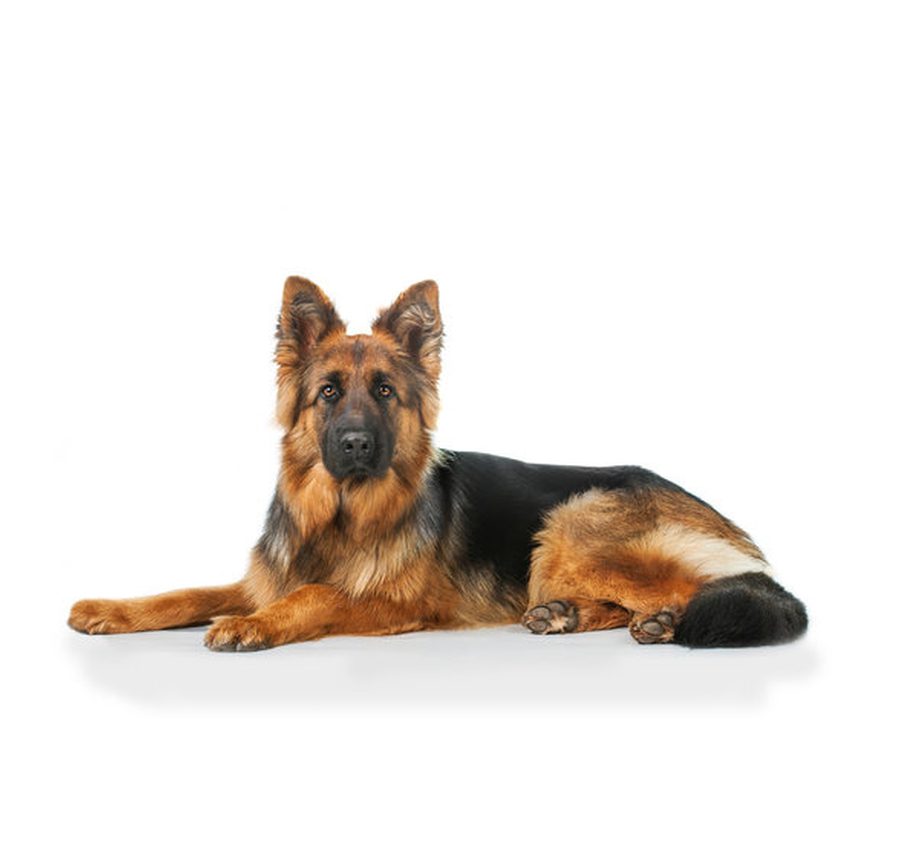
About the German Shepherd
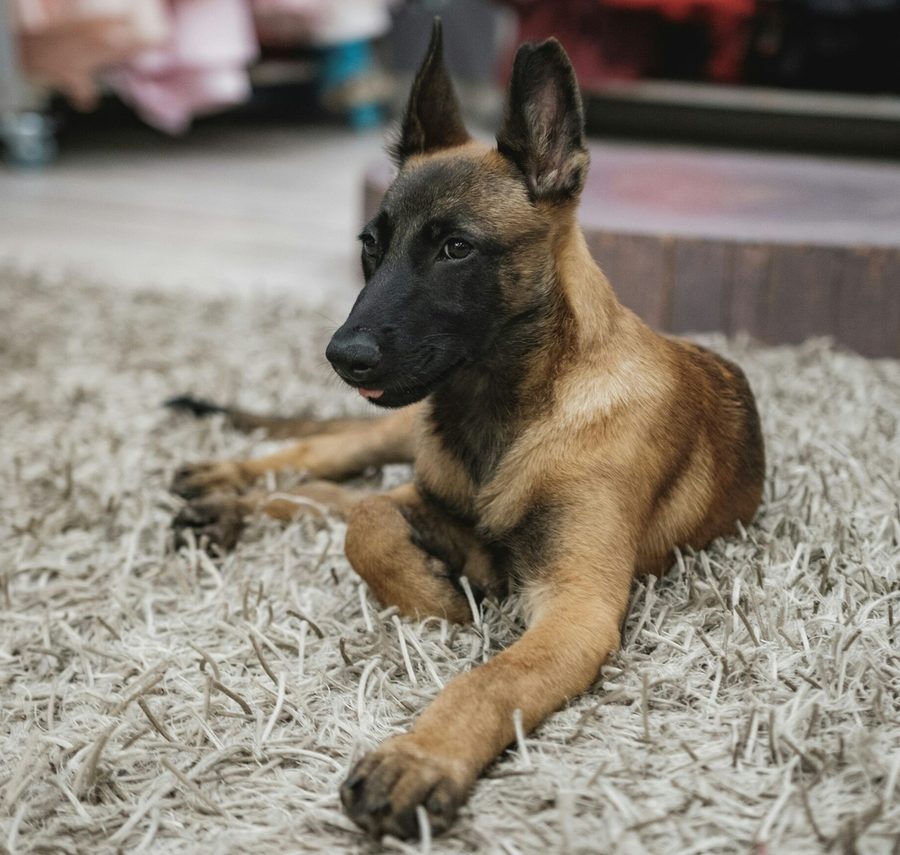
The German Shepherd was developed in Germany in the late 1800s as a herding dog and soon became the world's leading working dog, used by police, the army and search teams. Adults stand about 55 to 65 cm tall and weigh roughly 22 to 40 kg, with males larger than females.
It is a strong, athletic dog with a double coat and a famous sloping back. It is happiest when it has a job to do, whether that is obedience, training games, or simply being part of family life.
Temperament: what living with one is like
German Shepherds are loyal, confident and very smart. They bond closely with their family, learn fast and are naturally protective. That makes them wonderful companions in the right hands.
It also means they need early socialisation, so they are calm around strangers and other dogs, and consistent, positive training. Without mental work they become bored, noisy or destructive. A German Shepherd is not a dog to leave alone all day or to leave unsupervised in the garden.
Living with a German Shepherd in Delhi NCR
Heat is the main question for German Shepherd owners in Delhi NCR. A thick coat is made for cold climates, and Delhi summers regularly cross 40°C. Many families keep the breed happily, but only with a few habits:
- Keep them cool indoors. A room with an AC or a good cooler is strongly recommended from April to September.
- Walk at the right time. Early morning and late evening in summer. Skip midday walks and check that the pavement is not too hot for their paws.
- Always have fresh water available, and never leave a dog in a parked car.
- Do not shave the coat to cool the dog. The coat insulates against heat as well as cold, so regular brushing and a cool room do more good.
- Watch the monsoon. Humidity can bring skin problems, ticks and fleas, so keep the coat dry and ask your vet about tick and flea control.
German Shepherds cope with Delhi if they are kept cool and exercised at the right time of day, but a dense double coat and large body mean summer needs real attention. Do not exercise a Shepherd hard in the afternoon heat.
Flats and apartments: A German Shepherd can live in a flat if it gets a lot of daily exercise, training and company, but it does better with space. Check your society's rules on dogs and lifts before you decide.
Grooming and shedding
German Shepherds shed all year and heavily twice a year, so expect fur on everything. Brush two to three times a week, and daily during heavy shedding, with a slicker brush or undercoat rake. Bathe only when needed, since too many baths dry the coat.
Trim nails, check ears and brush teeth regularly. Never shave the coat to cool the dog.
Exercise and training
An adult German Shepherd needs roughly an hour and a half to two hours of activity a day, plus mental work such as training games, scent games or obedience. Puppies grow fast, so avoid hard running, jumping and long walks on hard surfaces until about 18 months, while the joints develop.
Socialise your puppy early with different people, sounds and, once your vet says it is safe, other vaccinated dogs. Reward-based training from the first week works best.
Health: what to know before you choose
Every breed has conditions it is more prone to. For the German Shepherd, it is better to know these early:
- Hip and elbow dysplasia, common in the breed; ask about the parents' health records.
- Degenerative myelopathy, an inherited spinal condition that appears in older dogs.
- Bloat (gastric torsion), an emergency in deep-chested dogs; feed smaller meals and avoid hard exercise around meals.
- Skin and food allergies, and sensitive digestion in some dogs.
- Weight and joint care matter a lot as the dog ages.
Ask about the puppy's parents and any health records that exist, and book a vet check soon after your puppy comes home. Keeping your dog at a healthy weight and having regular check-ups is the best thing you can do.
Feeding and puppy care
Large-breed puppies grow fast, so ask your vet about a food made for large-breed puppies and an appropriate feeding amount. Young puppies usually eat three to four meals a day, moving to two as they grow. Avoid overfeeding to make a puppy bigger or faster: slow, steady growth is kinder to growing joints.
Your vet will set your puppy's vaccination and deworming schedule. Puppies usually start their vaccines at around six to eight weeks, with boosters a few weeks apart, so ask us which vaccines and dewormers have already been given and when the next ones are due. We will always tell you the puppy's real age and what it has been eating.
German Shepherd puppy price in Delhi NCR
There is no single price for a German Shepherd puppy, and be careful of anyone who quotes one without asking questions. What you pay depends on the puppy's age, lineage and records, coat type and colour, health checks and current availability. Prices can change from one litter to the next.
Remember the price of the puppy is only the start. Larger dogs eat more, need bigger beds and more medication, and cost more at the vet. Plan for food, vaccines, vet visits, grooming, training, a cool place to sleep and the unexpected. A puppy priced far below what others ask is worth questioning: ask where it was born, how old it really is and what records exist.
Message or call us and we will share what is available for this breed right now, what is included, and what we can and cannot show you. You can meet the puppy by appointment before you decide.
Is a German Shepherd right for you?
A German Shepherd may suit you if you want a loyal, intelligent dog, can give daily exercise, training and company, and can keep a large dog cool in summer.
You may want a different breed if you are away from home most of the day, cannot give consistent training, or want a dog that is relaxed with every stranger without socialisation. In that case another breed might fit better, and we will tell you honestly.