About the Lhasa Apso
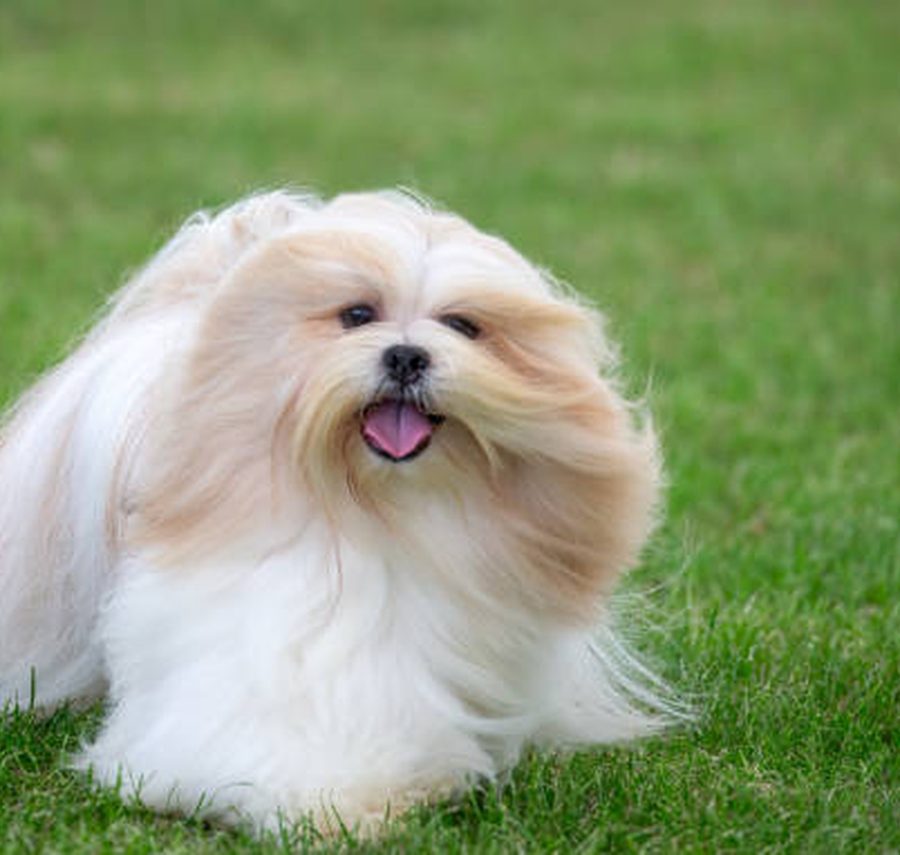
The Lhasa Apso comes from Tibet, where it was kept as an indoor sentinel in monasteries and homes, sounding the alarm at strangers. It is a small, sturdy dog, about 25 to 28 cm tall and 5 to 8 kg, with a long, dense, straight coat.
It looks like a lap dog, but it has the confidence and independence of a much bigger breed.
Temperament: what living with one is like
Lhasa Apsos are loyal, alert and devoted to their family. They are wary of strangers and make excellent watchdogs, announcing visitors with a bark.
They can also be stubborn and independent, so they need patient, consistent training and early socialisation to avoid being suspicious or snappy. They are not always patient with rough children, and they usually do best with older, gentle kids.
Living with a Lhasa Apso in Delhi NCR
The Lhasa Apso has a shorter coat and copes with Delhi's weather better than heavily coated breeds, but it is still a dog living through 40°C summers. A few habits keep it comfortable:
- Shade, water and a cool room. Fresh water at all times, and a cool spot (AC or cooler) at the hottest hours.
- Walk in the cool hours. Early morning and late evening in summer, and check that the pavement is not too hot for paws.
- Never leave a dog in a parked car, even for a few minutes.
- Watch the monsoon. Keep the coat and ears dry and ask your vet about tick and flea control.
A Lhasa Apso's long coat is made for cold mountain weather, so in Delhi's summer many owners keep it in a short "puppy clip" and the dog in a cool room. Walk in the cool hours and keep water available.
Flats and apartments: A Lhasa Apso suits a flat well because it needs only moderate exercise, but its barking at visitors needs training. Check your society's rules on dogs and lifts before you decide.
Grooming and shedding
The long coat needs brushing every day to prevent mats, or a short clip every four to six weeks with regular brushing between. Keep the hair out of the eyes and wipe the face daily.
Clean the ears, trim nails and brush teeth regularly. Lhasa Apsos shed little, but grooming is time or money every week.
Exercise and training
A Lhasa Apso needs about 30 to 45 minutes of activity a day: a couple of walks and some play. In summer, stick to the cool hours.
Begin socialising early, with different people and sounds, and use short, rewarding training sessions. A trained Lhasa is a calm, confident companion.
Health: what to know before you choose
Every breed has conditions it is more prone to. For the Lhasa Apso, it is better to know these early:
- Eye conditions, including dry eye, cherry eye and progressive retinal atrophy.
- Kidney problems (renal dysplasia) in some lines.
- Skin allergies and ear infections, worse in humid weather.
- Kneecap problems (patellar luxation).
- Dental disease, needing regular brushing.
Ask about the puppy's parents and any health records that exist, and book a vet check soon after your puppy comes home. Keeping your dog at a healthy weight and having regular check-ups is the best thing you can do.
Feeding and puppy care
Small-breed puppies usually eat three to four small meals a day, moving to two meals as they grow. Ask your vet about a small-breed puppy food and keep an eye on treats, because extra weight is hard on small frames.
Your vet will set your puppy's vaccination and deworming schedule. Puppies usually start their vaccines at around six to eight weeks, with boosters a few weeks apart, so ask us which vaccines and dewormers have already been given and when the next ones are due. We will always tell you the puppy's real age and what it has been eating.
Lhasa Apso puppy price in Delhi NCR
There is no single price for a Lhasa Apso puppy, and be careful of anyone who quotes one without asking questions. What you pay depends on the puppy's age, lineage and records, coat colour, health checks and current availability. Prices can change from one litter to the next.
Remember the price of the puppy is only the start. Plan for food, vaccines, vet visits, grooming, a cool place to sleep and the unexpected. A puppy priced far below what others ask is worth questioning: ask where it was born, how old it really is and what records exist.
Message or call us and we will share what is available for this breed right now, what is included, and what we can and cannot show you. You can meet the puppy by appointment before you decide.
Is a Lhasa Apso right for you?
A Lhasa Apso may suit you if you want a loyal, alert small dog, can brush daily or pay for grooming, and can train patiently.
You may want a different breed if you want a dog that greets every stranger, have very young children, or cannot manage a long coat. In that case another breed might fit better, and we will tell you honestly.