
About the Maltese
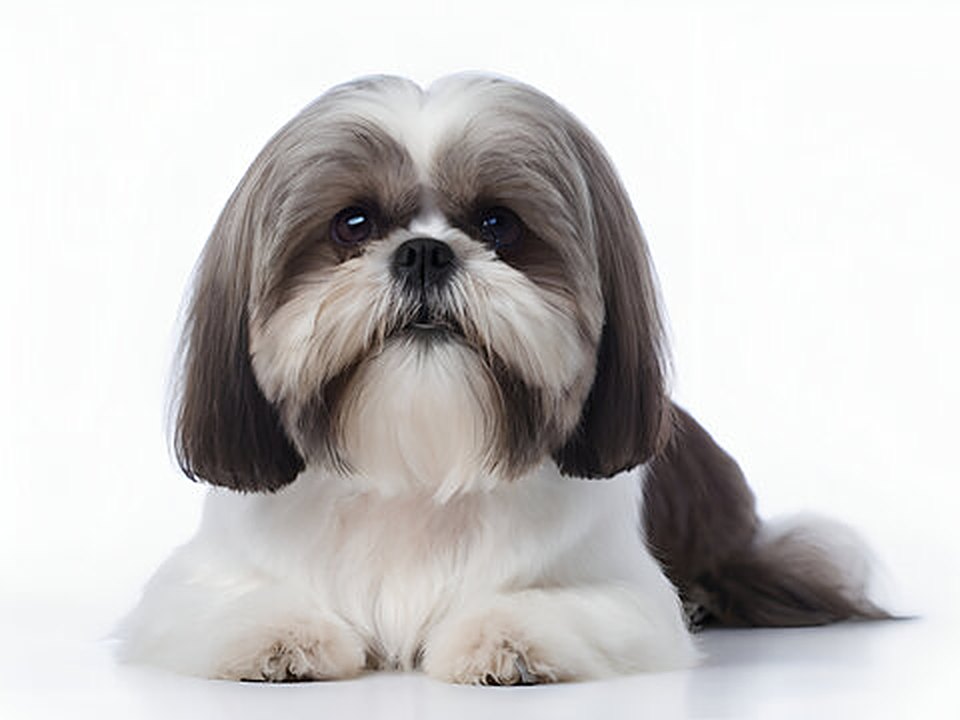
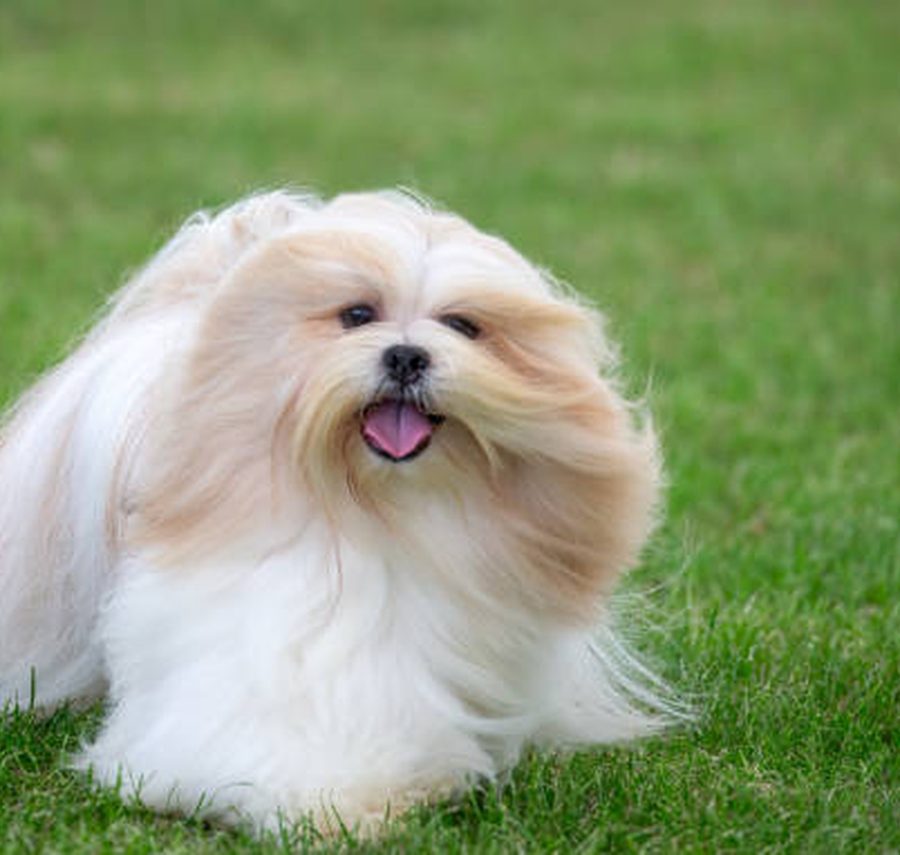
The Maltese is an ancient toy breed linked to the Mediterranean island of Malta and has been a companion to royalty for centuries. It is a tiny dog, usually about 20 to 25 cm tall and 2 to 4 kg, with a long, straight, silky white coat.
Unlike many breeds, it has a single coat without an undercoat, which is why shedding is low.
Temperament: what living with one is like
Maltese dogs are gentle, playful and affectionate. They love to be in the lap and follow their person around the house. They are alert and may bark at visitors or noises, although they are not aggressive.
They can suffer from separation anxiety, so they do best with an owner who is often at home. They are fragile, so they are better with gentle, older children and need protection from rough play.
Living with a Maltese in Delhi NCR
Small and toy dogs heat up and cool down quickly, so Delhi's hot summers and cold winter mornings both need a little planning:
- Summer: a cool room, fresh water, and walks only in the cool hours. Little paws burn easily on hot pavement.
- Winter: a warm bed away from draughts and a light sweater on cold mornings and evenings.
- Never leave a small dog in a parked car or in direct sun on a balcony.
- Monsoon: dry the coat and paws well, and ask your vet about tick and flea control.
A Maltese copes with Delhi if kept cool indoors, clipped short in summer and walked in the cool hours. Keep the white coat clean in the monsoon, since mud and damp easily cause staining and skin trouble. Give it a warm bed in winter.
Flats and apartments: A Maltese is an excellent flat dog, because it needs very little space and exercise, but it needs company. Check your society's rules on dogs and lifts before you decide.
Grooming and shedding
The long, silky coat needs brushing every day to avoid mats, or a short clip every four to six weeks with regular brushing. Wipe the face daily to reduce tear staining, and keep the hair out of the eyes.
Brush teeth often, trim nails and bathe every couple of weeks. Maltese shed very little, but grooming takes time or money.
Exercise and training
A Maltese needs about 20 to 40 minutes of gentle activity a day: short walks and indoor play. Walk in the cool hours in summer, and use a harness for comfort.
Train early with gentle rewards. Teach the puppy to be calm when left alone for short periods, to reduce separation anxiety.
Health: what to know before you choose
Every breed has conditions it is more prone to. For the Maltese, it is better to know these early:
- Kneecap problems (patellar luxation).
- Dental disease, which is common and needs regular brushing.
- Tear staining and eye problems.
- Low blood sugar in tiny puppies, so regular small meals matter.
- Collapsing trachea and liver shunts in some dogs.
Ask about the puppy's parents and any health records that exist, and book a vet check soon after your puppy comes home. Keeping your dog at a healthy weight and having regular check-ups is the best thing you can do.
Feeding and puppy care
Toy puppies have tiny stomachs and can drop their blood sugar if they go too long without food, so they usually eat four to five very small meals a day while young. Ask your vet about a small-breed puppy food and never skip meals. If a puppy seems weak, shivery or wobbly, contact a vet straight away.
Your vet will set your puppy's vaccination and deworming schedule. Puppies usually start their vaccines at around six to eight weeks, with boosters a few weeks apart, so ask us which vaccines and dewormers have already been given and when the next ones are due. We will always tell you the puppy's real age and what it has been eating.
Maltese puppy price in Delhi NCR
There is no single price for a Maltese puppy, and be careful of anyone who quotes one without asking questions. What you pay depends on the puppy's size, age, lineage and records, coat quality, health checks and current availability. Prices can change from one litter to the next.
Remember the price of the puppy is only the start. Plan for food, vaccines, vet visits, grooming, warm bedding and dental care, which matters a lot for small mouths. A puppy priced far below what others ask is worth questioning: ask where it was born, how old it really is and what records exist.
Message or call us and we will share what is available for this breed right now, what is included, and what we can and cannot show you. You can meet the puppy by appointment before you decide.
Is a Maltese right for you?
A Maltese may suit you if you want a small, gentle lap dog, can brush daily or pay for grooming and can be at home often.
You may want a different breed if you are away for long hours, have very young children, or cannot manage a long white coat. In that case another breed might fit better, and we will tell you honestly.